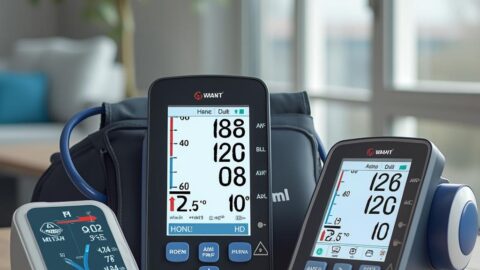
Blood pressure monitors have become an indispensable part of cardiovascular health in recent years. These devices are more than just tools; they are a lifeline for many who want to monitor or prevent health complications. But what's behind these devices? What technical intricacies are involved, and why are they essential in modern healthcare management?
Blood pressure monitors are generally divided into two types: manual and digital. Manual blood pressure monitors require a stethoscope and practical experience to accurately measure blood pressure. Although considered traditional, they are valued for their reliability in certain clinical settings. Digital devices, on the other hand, whether automatic or semi-automatic, are easy to use and are gaining popularity in home health monitoring.
The operation of a digital blood pressure monitor is based on its oscillometric measurement method. Essentially, these devices detect the vibrations of blood flow against the artery walls as the cuff inflates and deflates. The result is a simple, often digital, display of systolic and diastolic pressure, as well as heart rate. This technology eliminates the need for medical professionals to interpret sounds, thus democratizing health monitoring.
Digital blood pressure monitors offer numerous user-friendly features. Many models have large displays for improved readability, which is particularly beneficial for elderly or visually impaired individuals. Some modern devices include arrhythmia detection and digital memory, allowing for the storage of previous readings for trend analysis. These features provide users with insights into their cardiovascular development over time—an essential aspect of proactive healthcare.
Digital blood pressure monitors vary considerably in price, which generally depends on features and brand reputation. Basic models are available from around $30, while high-end devices with connectivity to mobile apps, cloud storage, and compatibility with other health monitoring systems can cost over $150. Devices that integrate seamlessly with smartphones and offer a holistic view of health parameters, for example, are often at the higher end of the price range.
A notable example is the Omron Platinum blood pressure monitor. It costs around $95 and is praised for its accuracy and advanced averaging function, which calculates a full 24-hour reading. It features Bluetooth technology, allowing data transfer to your smartphone for long-term trend tracking. Furthermore, it comes with a one-year warranty – a testament to its reliability.
Despite these advances, blood pressure monitors also have their drawbacks. Accuracy can fluctuate due to incorrect cuff placement or body posture. External factors such as arm movements during measurement can also distort the results. Experts recommend taking measurements at the same time every day and while at rest to minimize variations.
There are also myths about blood pressure monitors that need to be dispelled. A common belief is that a monitor is automatically accurate because of its digital operation. However, Dr. Mary Sanchez, a renowned cardiologist, warns: “Calibration is crucial. Make sure your device is regularly compared with a manual measurement to ensure its accuracy.”
Speaking of warranties: Most reputable brands offer a warranty period of one to five years. Omron, Welch Allyn, and Beurer are known for their extensive service networks and offer warranties not only for performance but also for after-sales customer service. Always read the fine print of the warranties to understand what is covered, including device calibration.
In summary, blood pressure monitors represent an important interface between technology and health management. Understanding their technical features, costs, and limitations allows individuals to make informed decisions that improve their preventive healthcare practices. As technology continues to evolve, these devices are expected to play an increasingly important role in both personal and medical healthcare settings. This underscores the importance of regular and accurate blood pressure monitoring for long-term well-being.